
Tax Strategy · 7 min read
Last updated August 17, 2026
How a DST Works When You Sell a Ranch Defer the Tax, Step Back From the Work

Jim Parry, Financial Advisor
More than 40 years helping agricultural landowners, ranching families, and multi generation farm operators make big financial decisions with clarity. Family, land, and long term legacy first.
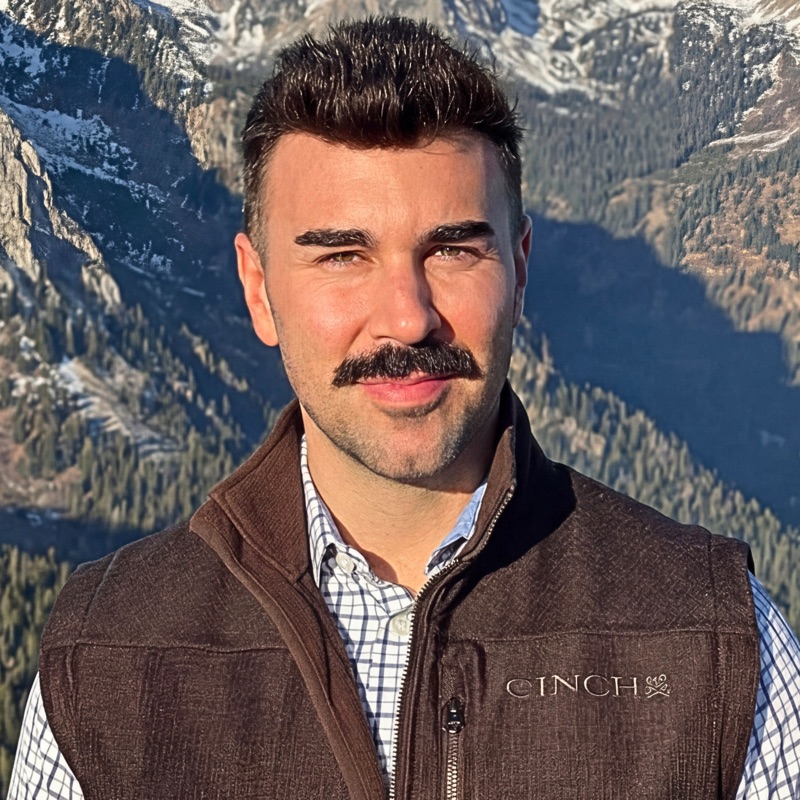
By Cameron Rafati, Financial Advisor
FINRA Series 7 & 66 · Master's in Real Estate Development, University of Utah · CE instructor for CPAs and real estate brokers
If you are selling a ranch that has been in the family for decades, you are looking at two problems at once. The first is a capital gains bill that can take a serious bite out of a lifetime of work. The second is what to do next, because plenty of ranchers are ready to sell the ground but not ready to go buy and run another property somewhere else. A Delaware Statutory Trust is built for exactly that spot.
1031 exchanges and Delaware Statutory Trusts available through private placements are highly speculative, illiquid securities and involve substantial risk, including the possible loss of all principal invested.
What a DST does for a ranch sale
A Delaware Statutory Trust, or DST, lets you sell appreciated ranchland and roll the proceeds into a professionally managed real estate trust through a 1031 exchange. The IRS recognized this use in Revenue Ruling 2004-86, so the DST interest counts as qualifying replacement property. The federal capital gains tax a direct sale would trigger is deferred, and you step out of active management entirely.
The problem with selling ground outright
A lot of ranch ground was bought generations ago for a fraction of what it is worth today. When you sell, the gain is enormous, and a direct sale means the tax comes due that year.
A traditional 1031 exchange defers that tax, but it asks you to go find, buy, and manage another property. For a rancher in their seventies or eighties who is finally ready to step back, trading one set of fences and tenants for another is not much of a solution.
The DST is the third path. You defer the tax like a 1031, but you do not manage a thing.
How it works, step by step
The DST runs on 1031 exchange rules, so the timing and the qualified intermediary matter.
- You sell the ranch. Before closing, a qualified intermediary is lined up to hold the sale proceeds. You cannot touch the money yourself.
- Within 45 days of the sale, you identify the replacement property. A DST interest qualifies.
- Within 180 days, you close on the DST interest and the intermediary moves your proceeds into the trust.
- The capital gains tax that a direct sale would have triggered is deferred for as long as you stay inside 1031 rules.
- You now hold a fractional, beneficial interest in a trust that owns institutional scale real estate, often spread across several properties, with the potential for monthly income.
What changes for you
| Sell the ranch outright | 1031 into another property | 1031 into a DST | |
|---|---|---|---|
| Capital gains tax | Due in full that year | Deferred | Deferred |
| Ongoing management | None, but you are out of real estate | You run the new property | Handled by professional managers |
| Income potential | Only from what is left after tax | From the new property you manage | Potential monthly income from the trust |
| Diversification | None | Usually one property | Often several properties |
| Best fit | Done with real estate entirely | Still want to be hands on | Ready to step back and stay invested |
The honest tradeoffs
A DST is not right for everyone, and a straight conversation includes the downsides.
- You give up control of the underlying properties. That is the point for some sellers and a dealbreaker for others.
- It is illiquid. A DST interest is a long term hold, not something you can sell next month if you need cash.
- Returns and any potential monthly income are not guaranteed. They depend on how the underlying real estate performs.
- It is a regulated securities offering, generally available only to accredited investors and purchased through a licensed representative.
- Quality varies widely between sponsors and offerings. Independent third party due diligence on both matters a great deal.
Who this fits
A DST tends to fit a rancher who has decided to sell appreciated ground, faces a large capital gains bill, wants to be done with the day to day, and is comfortable holding a long term, illiquid position in exchange for tax deferral and the potential for monthly income. It tends not to fit someone who needs the money liquid soon, who wants to stay active in real estate, or who is not actually ready to part with the land.
We work with ranch and farm families specifically, and every offering we bring to a client has been through independent third party due diligence. If you are weighing a ranch sale and want a straight read on whether a DST fits your situation, let’s have a visit.
1031 exchanges and Delaware Statutory Trusts available through private placements are highly speculative, illiquid securities and involve substantial risk, including the possible loss of all principal invested. Complexity and restrictions within a 1031 exchange program may significantly impact desired tax deferral outcomes. Potential monthly income from such investments is not guaranteed and distributions may be reduced or suspended. DST 1031 properties are only available to accredited investors and accredited entities. This material has been prepared for educational purposes only, is not to be interpreted as tax or legal advice, and does not constitute an offer to sell securitized real estate investments. Investors are advised to speak with their own tax and legal advisors regarding their particular situation. Securities offered through Arkadios Capital, LLC, Member FINRA / Member SIPC. Advisory Services through Arkadios Wealth. Iron Ridge and Arkadios do not share any ownership.
Frequently Asked
- Can I use a Delaware Statutory Trust when I sell my ranch?
- Yes. A DST interest counts as qualifying replacement property for a 1031 exchange under IRS Revenue Ruling 2004-86, so proceeds from a ranch sale can be exchanged into a DST while deferring the federal capital gains tax, as long as the exchange follows the standard 45 and 180 day deadlines.
- Do I have to manage anything after I move my ranch sale into a DST?
- No. The properties inside the trust are run by professional asset managers. For most ranchers, that is the point. The active work of running the place ends.
- How much time do I have to set this up after selling the ranch?
- The 1031 clock is firm. You identify the replacement DST interest within 45 days of the sale and close within 180 days. A qualified intermediary has to hold the proceeds the whole time. You cannot take the money in hand or the exchange is blown.
- Is the income from a DST guaranteed?
- No. A DST interest may produce potential monthly income, but distributions are not guaranteed and depend on the performance of the underlying real estate.
- Who can invest in a DST?
- DST interests are securities, generally limited to accredited investors, and they are purchased through a licensed representative. Most ranch families with significant land equity meet the accredited investor bar.
About the Authors
Jim Parry, Financial Advisor
More than 40 years helping agricultural landowners, ranching families, and multi generation farm operators make big financial decisions with clarity. Family, land, and long term legacy first.
Cameron Rafati, Financial Advisor
FINRA Series 7 & 66 · Master's in Real Estate Development, University of Utah · CE instructor for CPAs and real estate brokers
Who Wrote This
The advisors behind every article
Jim Parry
Financial Advisor
More than 40 years helping agricultural landowners, ranching families, and multi generation farm operators make big financial decisions with clarity. Family, land, and long term legacy first.
More about Jim Cameron Rafati
Financial Advisor · FINRA Series 7 & 66
More than 15 years in real estate development and finance. Master's in Real Estate Development from the University of Utah, former licensed real estate broker, and a continuing education instructor for CPAs and real estate brokers.
More about CameronSecurities offered through Arkadios Capital, LLC, Member FINRA / Member SIPC. Iron Ridge Advisors and Arkadios Capital share no common ownership.
Have questions about how this fits your situation?
Let's Have a Visit →Keep Reading
Related articles in our knowledge hub
DST Basics
What is a DST and How Can It Help Property Owners?
A plain-English guide to Delaware Statutory Trusts for rural property owner families. How a DST defers capital gains, generates potential monthly income, and simplifies estate planning.
Tax Strategy
When Drought Forces a Cattle Sale:
Tax tools that may help ranchers handling a forced cattle sale in a drought year. Farm income averaging, weather related deferral, prepaid expenses, and how the land side fits in.
Tax Strategy
The Farmland Income Gap:
USDA data shows rented farmland returns only about 2 to 3 percent of its market value per year, even as values keep climbing. Here is what that gap means for the millions of acres heading into a transfer decision.