
Risk · 9 min read
Last updated August 17, 2026
How DST Investments Are Underwritten: A Comprehensive Q&A Guide
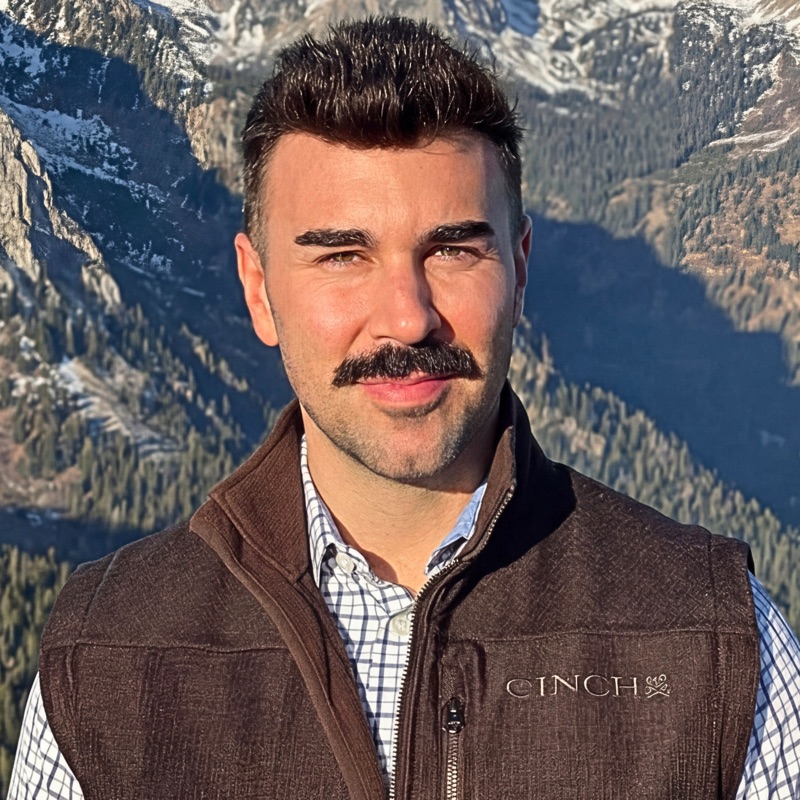
By Cameron Rafati, Financial Advisor
FINRA Series 7 & 66 · Master's in Real Estate Development, University of Utah · CE instructor for CPAs and real estate brokers
Delaware Statutory Trusts have become popular 1031 exchange solutions for farmers, ranchers, and landowners. But with many DST offerings on the market, how do you know which ones are solid investments? The answer lies in underwriting, the thorough due diligence process performed before any offering reaches a client.
What does it mean to underwrite a DST?
Underwriting a DST means an in-depth analysis and due diligence review of the offering before recommending it. It’s similar to inspecting equipment or land before buying, examining the sponsor, the property, the financial structure, and all associated risks and assumptions.
Reputable firms conduct comprehensive due diligence on every potential DST offering before presenting it to investors. We follow that philosophy. Every DST passes a rigorous vetting process before it ever reaches you.
Why is rigorous underwriting so important?
When you invest in a DST, you’re relying on the asset’s performance and the sponsor’s management, not your own oversight. A rigorous underwriting process is the protection.
By thoroughly vetting each offering, we filter out deals with hidden problems or excessive risk. Not all DST offerings are created equal. Some have optimistic projections or underlying issues that could cause trouble in a market shift.
What factors do we look at?
Sponsor quality and track record
- Long, successful history (15+ years preferred)
- Full-cycle deals (acquired, managed, sold at projected outcomes)
- Performance through different market cycles, including down markets
- Transparent communication with investors
- Background checks on principals (financial stability, legal history)
Property and asset quality
- Property type, location, market conditions
- Tenants, lease terms, occupancy rates
- Physical condition (inspections, environmental reports)
- Cost per square foot, occupancy percentage, lease length
- Multiple properties reviewed individually if portfolio
Deal structure and agreements
- Purchase agreements, loan documents, PPM, trust agreements
- Master lease structure if applicable
- Financing terms (rate, LTV, maturity, prepayment restrictions)
- Tax structure and 1031 compliance
Financial projections and assumptions
- Income/expense assumptions (rent growth, occupancy, expenses)
- Conservative vs. optimistic projections
- Stress tests against market downturns
- Net operating income vs. projected cash flows
- Breakeven exit cap rate (we prefer this higher than the purchase cap rate, providing margin of safety)
Fees and investor alignment
- Fee structure relative to industry norms
- Sponsor markup (red flag if sponsor recently bought property at a lower price and is selling into the DST at a higher price without value-add)
- Subordinated performance fees (sponsor only earns big fees if investors do too)
Risks and mitigations
- Conflicts of interest (sponsor buying from an affiliate)
- Independent valuations and disclosures
- Market risks (tenant non-renewal, interest rate exposure)
- Cash reserves and master lease provisions
- Pass on deals with too many red flags or “smoothing” tactics
How do we vet sponsor track record?
The sponsor is the company managing the property over its life. We research how their past DST offerings have performed:
- Full-cycle history. Did they take properties through acquisition, management, and eventual sale? Did investors get principal back? Were projected outcomes met?
- Current performance vs. projections. A sponsor whose actual distributions consistently fall short of their original projections is a caution sign.
- Asset class experience. For ag-adjacent or specialty real estate, sponsor’s track record in that specific sector matters.
We typically favor sponsors with 15+ years in business, dozens of completed offerings, and deals that traversed the 2008 recession. Newer sponsors usually get a “wait and see” until they establish more track record.
Our process
- Initial screening. New offerings are screened for immediate disqualifiers (poor sponsor reputation, wrong property type).
- In-depth analysis. Analysts dive into PPM, appraisal, leases, loan agreements. Financial modeling and stress testing.
- Third-party due diligence. We obtain an independent third-party diligence report on every offering.
- Investment committee review. Team meets, presents merits and concerns, decides whether to approve.
- Client offering. Only deals that pass all layers reach you.
What role do third-party reports play?
We require an independent third-party due diligence report on every offering we recommend. These specialist firms have no economic interest in whether the offering sells, and they provide an independent professional opinion alongside our own.
Their reports include:
- Sponsor background checks
- Property-level analysis
- Financial-model stress testing
- Fee structure benchmarking
- Red-flag identification (excessive markups, conflicts of interest, optimistic projections)
When a third-party report flags concerns, fee anomalies, projection issues, conflicts, we follow up. Often that’s the difference between approving and rejecting an offering.
How selective are we, really?
Extremely. At any given time, dozens of DST offerings are available from various sponsors. We reject far more than we approve.
By the time an offering reaches a client, it’s the exception, not the rule. We might start with 100 available DSTs over a period, and only 10 to 15 meet our standards. The rest, we pass on or watchlist pending more track record.
This selectivity is core to our value. As a landowner investing your hard-earned equity, you’re counting on us to guard your interests, not push every offering that lands in our inbox.
The benefit to you
- Confidence and peace of mind. Professionals have vetted every aspect of the DST. You’re not relying on a sales brochure.
- Quality over quantity. We curate the options. You don’t sort through dozens of mediocre deals.
- Long-term partnership. Our reputation depends on getting it right every time.
- Transparency. Because we dive deeply, we can explain pros and cons in plain language.
Underwriting is meticulous work, but it’s the work that protects clients and upholds the firm’s integrity.
Frequently Asked
- How selective is Iron Ridge in approving DST offerings?
- Extremely selective. Out of the dozens of DST offerings available in the market at any time, we typically approve roughly 10%, sometimes fewer. We reject any offering that fails on sponsor quality, fee structure, financial projections, or independent third-party scoring.
- What is independent third-party due diligence and why does it matter?
- Independent third-party due diligence firms specialize in DST and alternative investment offerings. Their reports include sponsor background checks, financial-model stress testing, and red-flag identification. We require an independent third-party diligence report on every offering we present. If we cannot get one, we do not offer the deal.
- What sponsor characteristics does Iron Ridge favor?
- Long track record (15+ years preferred), full-cycle deal history (acquired, managed, and sold properties at projected outcomes), conservative underwriting, transparent investor communication, alignment via subordinated performance fees, and demonstrated ability to navigate down markets.
Who Wrote This
The advisors behind every article
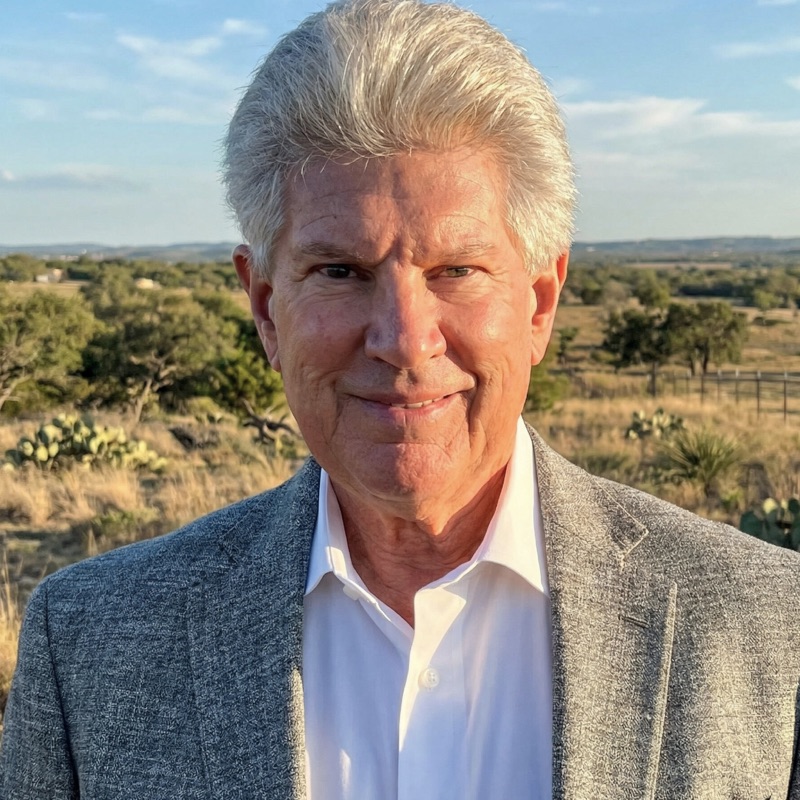
Jim Parry
Financial Advisor
More than 40 years helping agricultural landowners, ranching families, and multi generation farm operators make big financial decisions with clarity. Family, land, and long term legacy first.
More about Jim Cameron Rafati
Financial Advisor · FINRA Series 7 & 66
More than 15 years in real estate development and finance. Master's in Real Estate Development from the University of Utah, former licensed real estate broker, and a continuing education instructor for CPAs and real estate brokers.
More about CameronSecurities offered through Arkadios Capital, LLC, Member FINRA / Member SIPC. Iron Ridge Advisors and Arkadios Capital share no common ownership.
Have questions about how this fits your situation?
Let's Have a Visit →Keep Reading
Related articles in our knowledge hub
Risk
How DSTs Are Regulated:
Delaware Statutory Trusts are securities. They sit inside the SEC, FINRA, and broker-dealer regulatory framework, with audited financials and independent third-party due diligence on every offering. Here's what protects investors.
Risk
What Are the Risks of Delaware Statutory Trusts (DSTs) That Every Landowner Should Understand?
DSTs can be smart tools for tax deferral and legacy planning, but they carry risks. Illiquidity, sponsor risk, market risk, fees, and how Iron Ridge helps manage them.
Tax Strategy
When Drought Forces a Cattle Sale:
Tax tools that may help ranchers handling a forced cattle sale in a drought year. Farm income averaging, weather related deferral, prepaid expenses, and how the land side fits in.